This differs from GLP-1 medications, where appetite suppression reverses within days of stopping
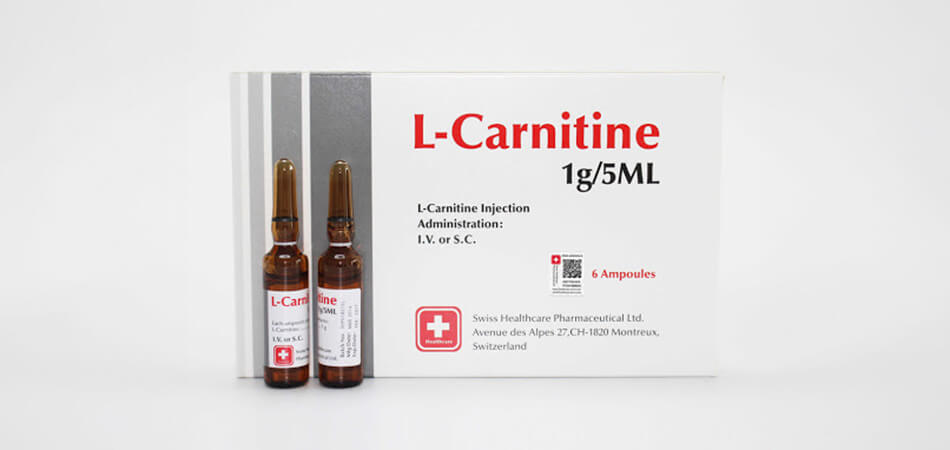
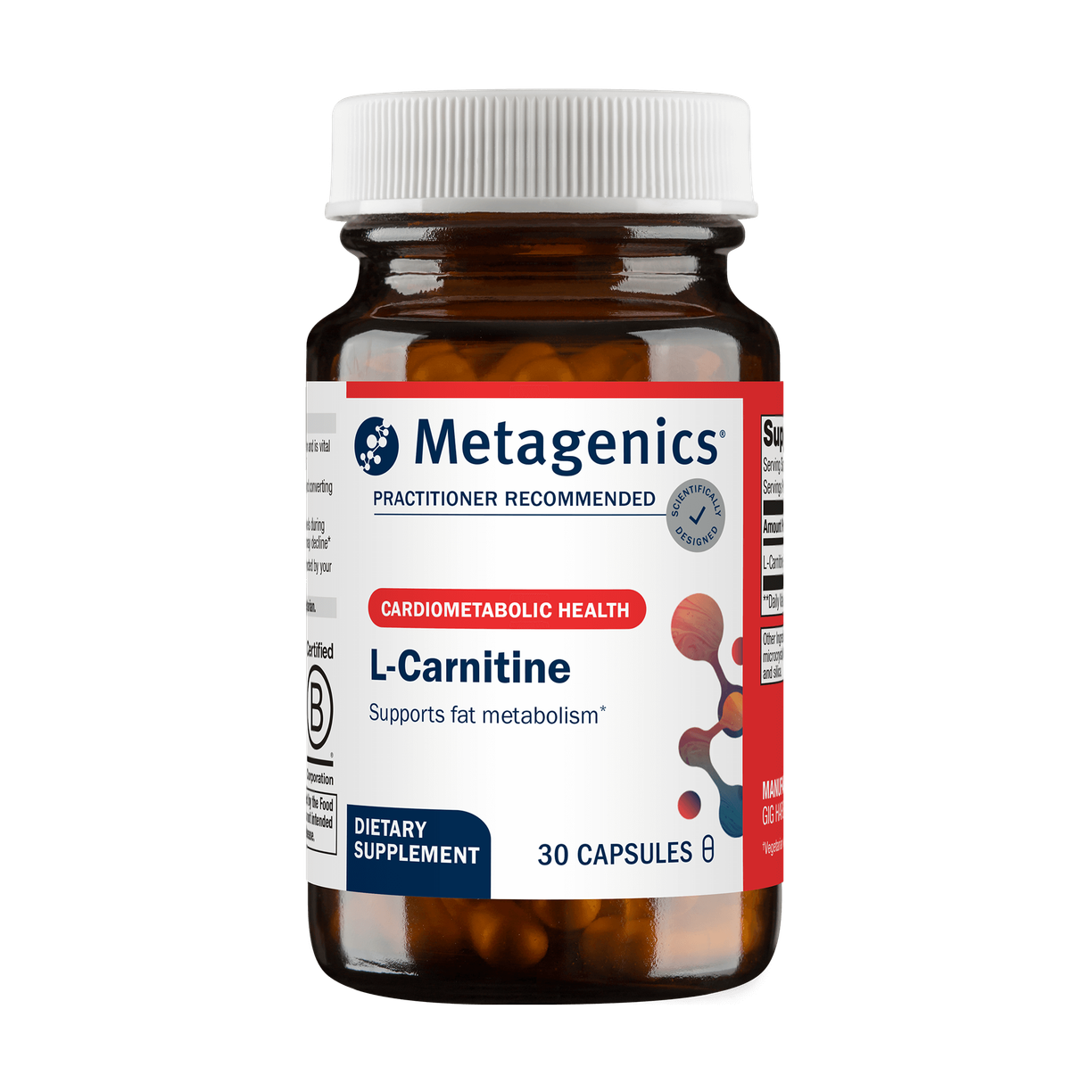
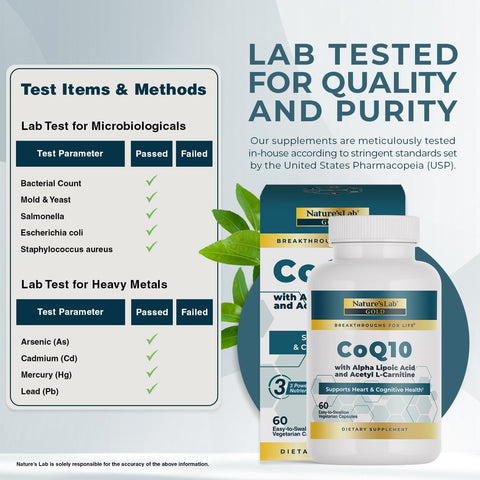
Conclusion The combination of Berberine and L-Carnitine is an intriguing option for those focused on glucose support and metabolic energy
At this stage, I would view the development as uncertain rather than clearly positive or negative." A shifting peptide landscape The committees vote reflects an ongoing shift in a larger public health discussion tied to Health Secretary Kennedy's contrarian position on mainstream health consensus.9 He has said that hes a big fan of peptides and uses them himself.10 It was under Secretary Kennedys watch that the FDA announced its plan to convene the advisory committee for its first peptide review meeting in July 2026.11 It was Mr
Peripheral arterial disease (PAD) is a clinical manifestation of atherosclerotic disease, typically affecting the abdominal aorta, iliac arteries, and lower limbs.1 This condition is associated with a higher risk of major adverse cardiovascular events (MACE) and major adverse limb events (MALE), and is a strong predictor of both all-cause and cardiovascular mortalities.2 Additionally, hospitalizations due to PAD have led to a substantial economic burden on health care systems.3 In addition to their glucose-lowering effects, glucagon-like peptide-1 receptor agonists (GLP-1RAs) are associated with weight loss and have multiple favorable metabolic and anti-inflammatory effects.4 Due to their cardio- and nephro-protective properties, GLP-1RAs are recommended as first-line antidiabetic therapies for patients at high cardiovascular risk.5 Moreover, GLP-1RAs may improve arterial stiffness and provide systemic microcirculatory benefits in the peripheral vascular system